November 3, 2026
Businesses with busy entrances need security measures that protect their property without slowing down daily operations. Frequent vehicle and pedestrian movement can place extra demands on access points, making it important to choose barriers that support both safety and efficiency. Selecting the right commercial security gate involves considering traffic volume, available space, access needs, durability, and ongoing maintenance. Understanding these factors can help businesses choose a gate that fits their property and supports smooth traffic flow.
Evaluating Daily Traffic Patterns
The first step in selecting a security gate is learning how people and vehicles move through the property. Some facilities experience steady traffic throughout the day, while others have short periods of heavy activity during shift changes, deliveries, or customer arrival times. Identifying these patterns can help businesses determine which gate design will work best. Vehicle size and traffic direction also affect gate selection. A commercial property that receives delivery trucks may need a wider access point than an office building that primarily serves passenger vehicles. Facilities with entrances and exits in the same area may also need a layout that allows vehicles to move through without creating unnecessary congestion.
Pedestrian traffic deserves similar attention. Employees, visitors, and contractors may use separate entrances or share access points with vehicles. Keeping these movement patterns in mind can help businesses determine where gates should be placed and how access should be managed. Businesses should also consider future changes in traffic volume. A facility that expects to expand operations, increase deliveries, or accommodate more employees may need a gate that can handle greater demand over time. Planning for these possibilities can reduce the need for costly changes later.
Comparing Gate Designs and Operation
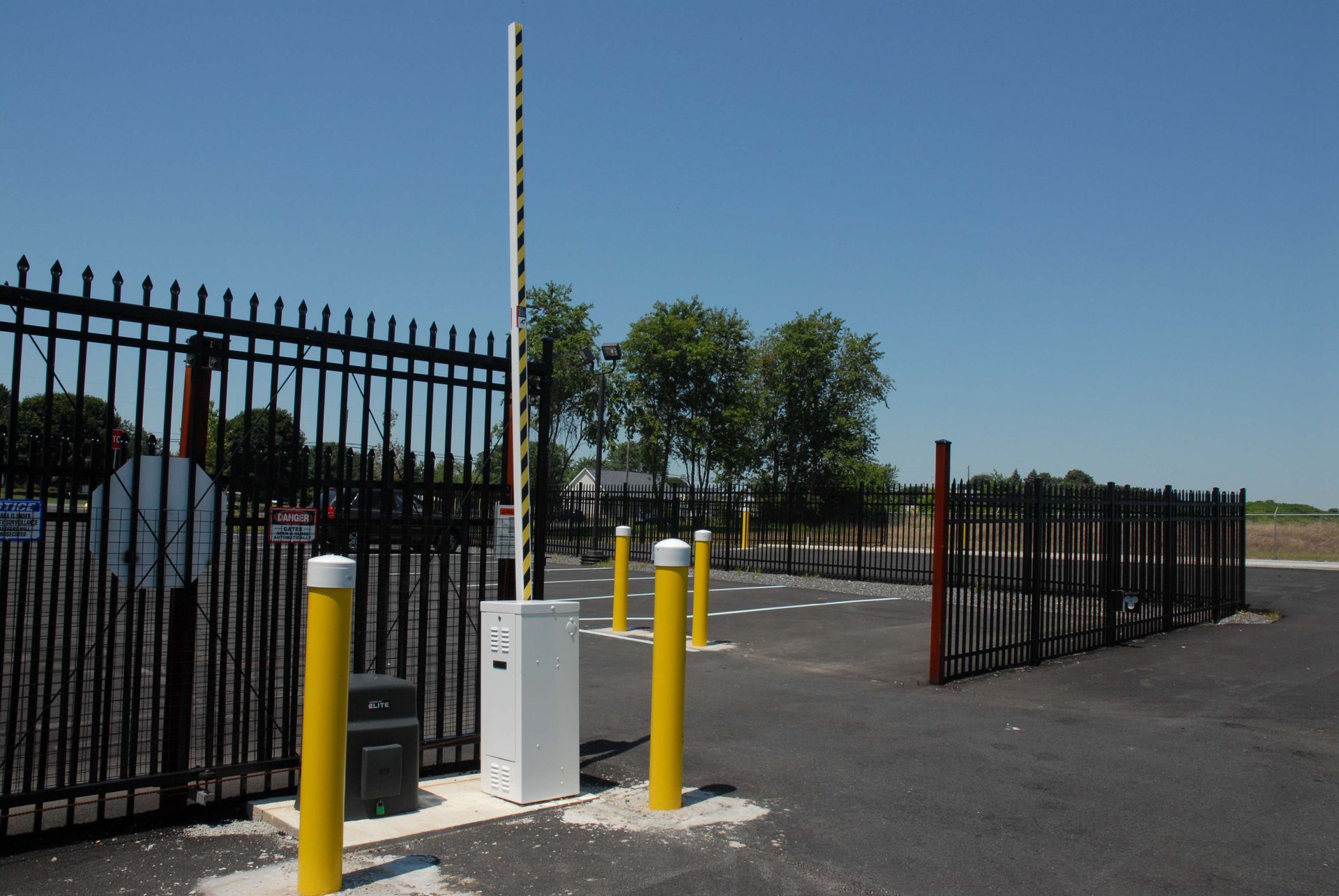
Different gate designs offer different advantages, so businesses should consider how each option fits their entrance layout and daily activity. Sliding gates move along a track or supported path, making them useful where there is limited room for a gate to swing open. Swing gates open inward or outward and may work well where there is sufficient clearance and vehicle movement is less restricted. Other options may be suitable for entrances that require flexible space management. Folding or collapsible gates can help control access while taking up less room when opened. The right choice depends on the available space, the level of security needed, and how frequently the entrance will be used.
According to Reanin, more than 55% of facilities and homes evaluating space-efficient physical barriers chose to install top-hung or collapsible security gates to save space without sacrificing perimeter security. This highlights the importance of choosing a design that fits the entrance layout. For commercial properties with limited room, gates that minimize interference with walkways, parking areas, or loading zones may be useful. Businesses should also consider whether manual or automated operation better suits their traffic volume, access needs, and security requirements.
Assessing Durability and Construction
Frequent use can place considerable wear on a security gate. Repeated opening and closing, exposure to changing weather, and contact with dust or debris may affect its performance over time. Choosing a gate built for its expected workload can help reduce disruptions and support consistent operation. Material selection is one factor to review. Metal gates are commonly used in commercial settings because they can provide a strong physical barrier. However, the appropriate material depends on the environment, the desired appearance, and the level of exposure to moisture or other conditions that may contribute to corrosion.
The supporting structure is also important. Posts, tracks, hinges, rollers, and other moving components must be suitable for the gate's size and frequency of use. If these parts are not designed for the expected demands, the gate may become difficult to operate or require more frequent repairs. Businesses should consider how much maintenance different designs may require. Some systems need regular inspection of moving parts, while others may require attention to tracks, supports, or operating mechanisms. Reviewing these needs before choosing a gate can help property managers plan for ongoing care and avoid preventable interruptions.
Managing Access and Security Needs
A security gate should do more than create a physical barrier. It should also help businesses control who can enter the property and when access is permitted. The appropriate level of control depends on the type of facility, the people who use it, and the potential risks associated with unauthorized entry. Some businesses may need access limited to employees and approved visitors. Others may receive regular deliveries, service vehicles, and contractors who require temporary or scheduled entry. Establishing these requirements can help determine whether the gate should work with an access control system or another method of managing entry.
A commercial security gate should also support a clear process for handling visitors and unexpected arrivals. If every vehicle requires manual approval, the process may create delays during busy periods. Businesses can review their entry procedures to identify ways to maintain appropriate control while keeping traffic moving. Emergency access is another consideration. Gates should be planned with applicable safety requirements and emergency procedures in mind. Depending on the property, this may include maintaining access for emergency responders and providing appropriate methods for opening or releasing the gate during a power failure or system malfunction.
Improving Traffic Flow and Site Layout
A gate that provides strong security may still create problems if its placement causes vehicles to back up or restricts movement around the property. Businesses should review the full entrance area rather than focusing only on the gate itself. The approach road, waiting area, nearby parking spaces, and pedestrian routes can all affect how well the entrance functions. Vehicle queues are a particular concern for high-volume facilities. If vehicles must stop for inspection or authorization, the property may need enough space to hold waiting traffic without blocking public roads or other entrances. Planning this space can help reduce congestion and keep nearby areas accessible.
Gate opening speed is another factor. A system that operates too slowly may cause delays when many vehicles arrive within a short period. At the same time, the gate must operate at a safe speed and allow enough time for vehicles and pedestrians to pass through the entrance. Businesses should also consider visibility. Drivers need a clear view of the gate, nearby vehicles, and pedestrian crossings. Good lighting and an organized entrance layout can help reduce confusion, especially during early morning, evening, or overnight operations.
Balancing Costs and Long-Term Value
The initial purchase and installation costs are only part of the total expense of a security gate. Businesses should also consider routine maintenance, repairs, operating costs, and the potential impact of downtime. A lower initial price may not represent the best long-term value if the gate cannot handle frequent use. Maintenance requirements should be reviewed before making a decision. A gate that requires frequent adjustments or replacement parts may create additional costs and interfere with normal operations. Understanding the recommended inspection schedule can help businesses estimate the resources needed to keep the system working properly.
The cost of interruptions is worth considering as well. If a gate fails at a busy entrance, employees may need to manage traffic manually while vehicles wait for access. Deliveries could be delayed, and normal operations may be affected until the problem is resolved. Choosing equipment suited to the property's traffic demands can help limit these disruptions. Businesses can compare options by looking at expected service life, maintenance needs, operating performance, and compatibility with existing systems. Requesting a professional assessment can also help clarify installation requirements and identify potential issues before work begins.
Selecting a gate for a busy commercial entrance requires balancing security, traffic flow, durability, and operating costs. Evaluating traffic patterns, available space, and access needs can help businesses choose a suitable option. The right gate can reduce congestion, support safe movement, and accommodate future growth. Businesses planning an entrance upgrade can contact Accolade Access Control to discuss a commercial security gate that meets their property's needs.