November 2, 2026
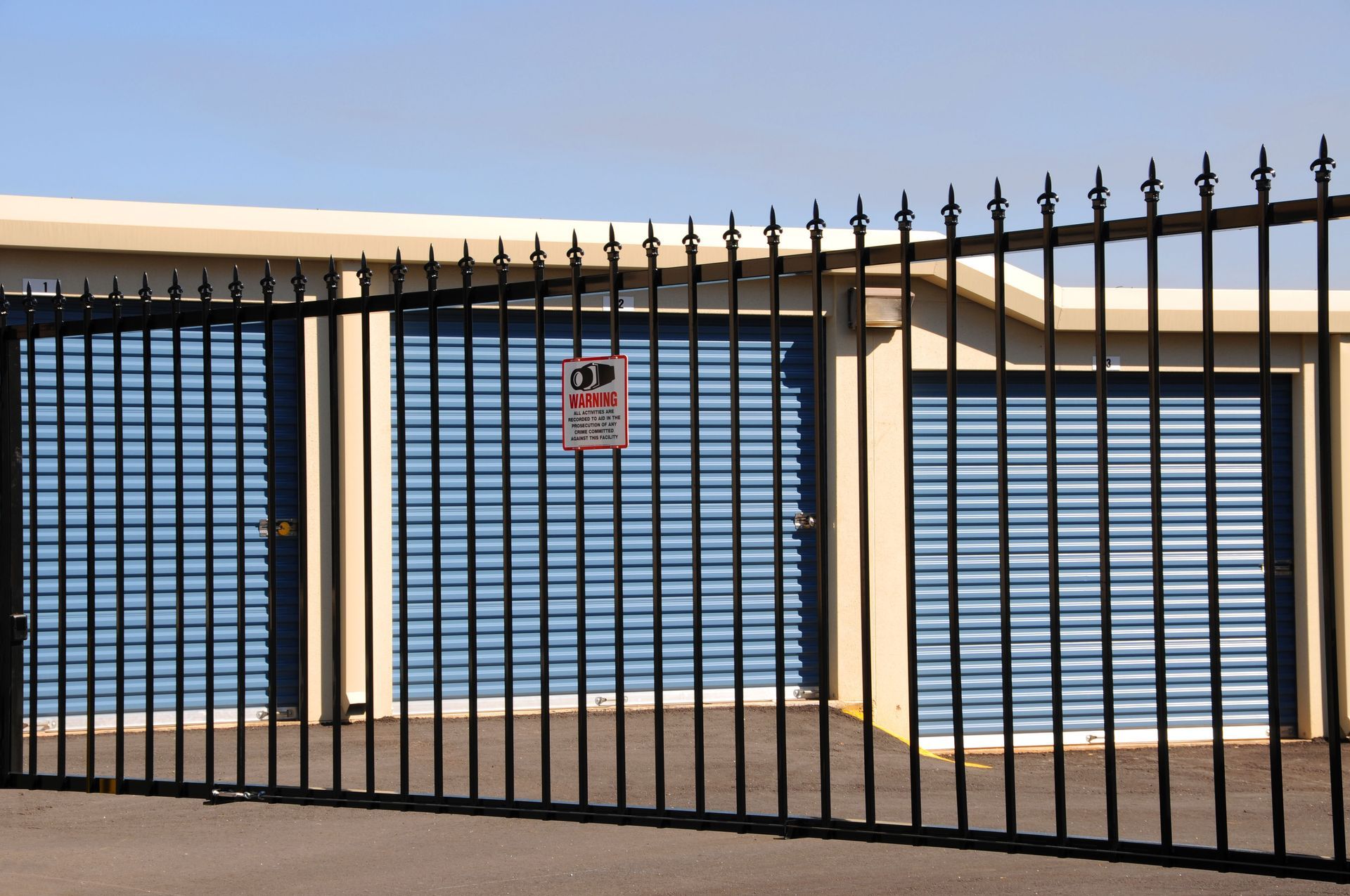
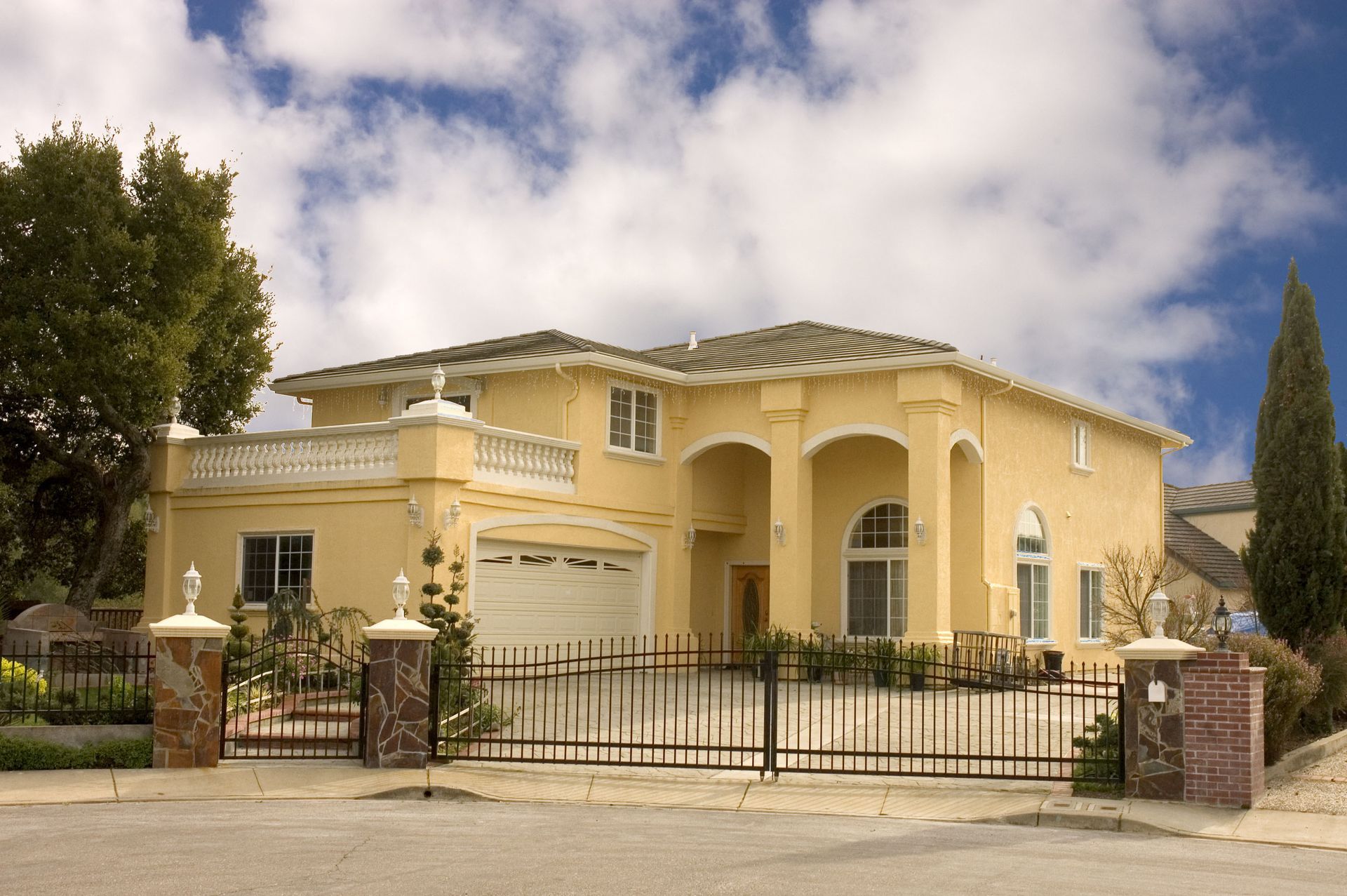
Enhancing the perimeter of a residential property requires balancing robust security, smooth functionality, and elevated curb appeal. For homeowners seeking an efficient vehicular entrance, selecting a sliding gate offers substantial advantages over traditional swinging barriers, especially when driveway grade or spatial boundaries restrict clearance. Investing in such an entryway involves various budgetary considerations, ranging from raw fabrication materials and motorized hardware to site grading and skilled labor. Property owners must evaluate how physical dimensions influence total expenditures across the entire project lifecycle. According to HomeGuide, standard residential driveway gates typically measure between 10' and 18' in width and 4' to 10' in height. Understanding the underlying variables that determine overall installation expenses enables homeowners to design an entrance that satisfies aesthetic goals, meets perimeter protection needs, and remains firmly within a sensible budget.
Evaluating Material Selections and Fabrications
The composition of the gate leaf fundamentally dictates structural durability, maintenance demands, and initial financial outlay. Lightweight aluminum remains a popular option for residential properties due to its inherent resistance to rust and relatively effortless movement. Because aluminum places reduced strain on hardware, it often lowers initial equipment expenses and reduces wear over time. In contrast, ornamental wrought iron and galvanized steel provide superior structural heft and impact resistance, yet these dense metals demand heavier track systems and reinforced support posts. The sheer weight of forged iron necessitates substantial fabrication work, which elevates manufacturing expenses beyond basic metal assemblies. A homeowner selecting an ornamental sliding gate can expect greater craftsmanship expenses reflecting specialized welding, intricate scrollwork, and specialized protective powder coatings.
Wood presents another visually striking possibility, bringing warmth and natural elegance that complements organic architecture. Cedar, redwood, and composite lumber alternatives provide distinct visual profiles, though natural timber requires consistent staining to deter moisture rot, warping, and insect intrusion. Composite materials eliminate recurring sealing chores while mimicking the rich grain of genuine timber, though composite boards carry an elevated procurement expense. Combining metal framing with cedar infill balances structural rigidity with rustic privacy, creating a bespoke entrance that demands meticulous carpentry. Each material category represents a balance between upfront purchase price and ongoing preservation duties, guiding property owners toward choices that harmonize with residential architecture and long-term financial expectations.
Assessing Ground Preparation and Structural Foundations
Underlying infrastructure serves as the literal backbone of any moving perimeter barrier, profoundly shaping overall project pricing. A standard tracked sliding gate relies on a continuous, level concrete footing poured along the driveway opening and extending back along the fence line. Excavating soil, establishing proper frost depth, and pouring reinforced concrete across the travel path require heavy equipment and substantial material investment. If a property features uneven terrain, steep inclines, or rocky subterranean conditions, earthwork expenses rise accordingly. Proper drainage solutions must accompany the concrete runner to prevent water accumulation, dirt collection, and freezing weather from obstructing the track groove or displacing guide rollers during severe winter periods.
Cantilever arrangements eliminate the need for an in-ground track across the driveway by utilizing specialized carriage rollers and an extended counterbalance tail. Because the gate leaf remains suspended above the pavement, it glides freely over snow, gravel, and standing debris, making it ideal for rural driveways and harsh climates. However, the counterbalance framework requires substantial additional length, demanding wider lateral fence clearance and massive concrete support piers to anchor the heavy counterweight. Constructing these deep anchor pilings demands extensive excavation and reinforced rebar cages, which frequently elevates masonry labor expenses. Choosing between ground-mounted tracks and suspended cantilever systems depends heavily on property geometry, environmental factors, and available lateral frontage.
Integrating Motorized Operators and Access Controls
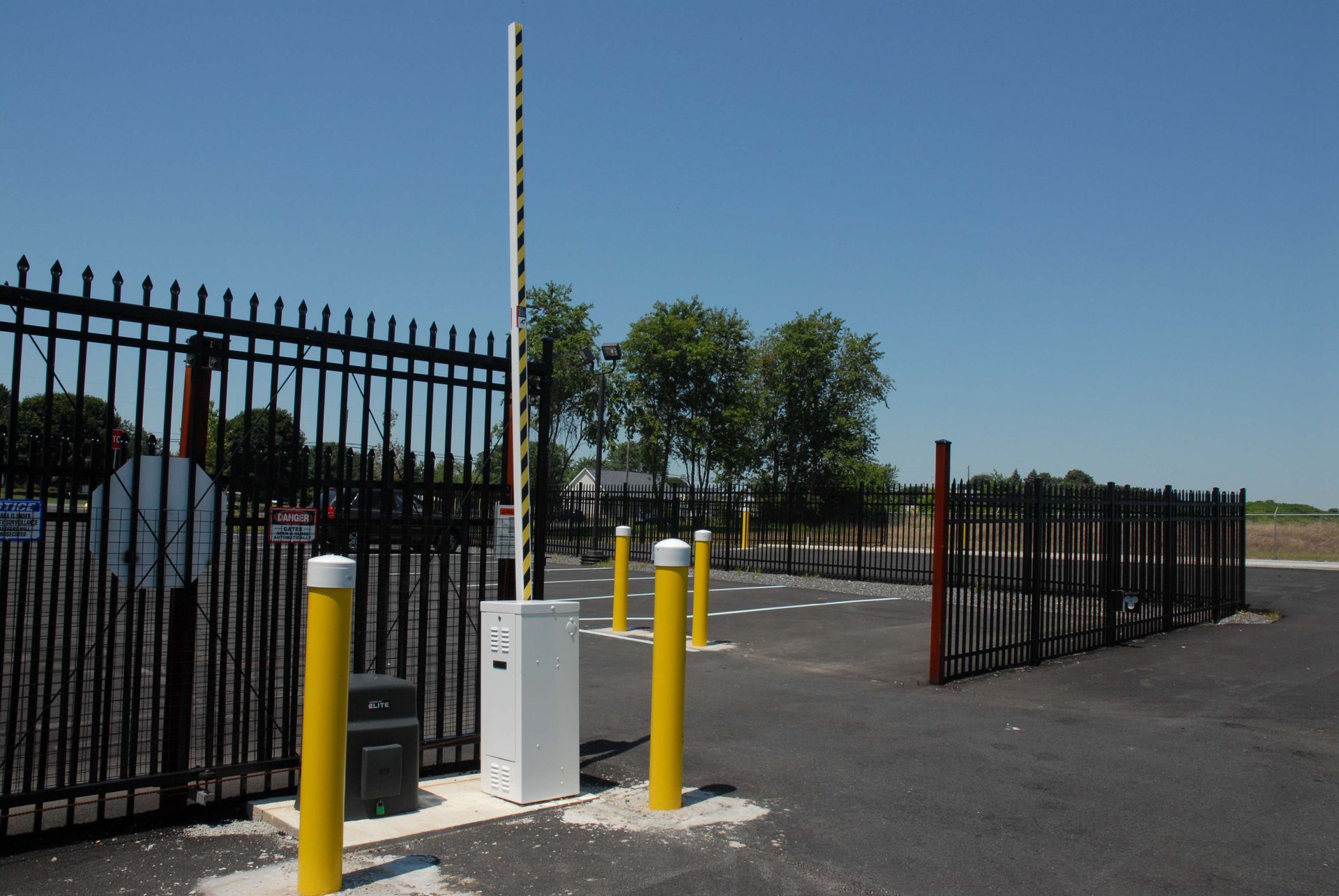
Automating an entrance transforms daily convenience and elevates property security, though mechanized components introduce technical expenses into the project budget. Selecting an appropriate operator for an automated sliding gate requires matching motor horsepower and duty cycle ratings to the physical weight of the panel. Heavy steel barriers and long cantilever frames demand heavy-duty commercial-grade motors equipped with continuous-duty gearboxes, heavy internal sprockets, and reinforced drive chains. Additionally, establishing high-voltage electrical lines from the main service panel to the gate terminal requires licensed electrical labor, protective trenching, and conduit placement. Properties lacking convenient power infrastructure may explore solar panel arrays with battery backups, though premium storage cells and high-output photovoltaic modules represent a notable financial investment.
Peripheral access hardware and automated safety devices further influence the financial scope of modern perimeter automation. Fundamental safety equipment, including retroreflective photo eyes, underground inductive vehicle loops, and responsive sensing edges, prevents accidental vehicle contact and protects pedestrians during gate travel cycles. Homeowners can customize entry access with wireless keypads, telephonic intercom systems, long-range radio transmitters, and cellular smartphone interfaces. Integrating high-definition video surveillance cameras, automated license plate recognition scanners, or whole-home automation systems further expands technological capability. While sophisticated communication peripherals elevate daily accessibility and residential protection, each added sensor and access terminal increases programming, wiring, and hardware procurement investments.
Determining Professional Labor and Site Complexity
The expertise required to properly align, anchor, and commission an exterior sliding gate constitutes a substantial proportion of overall project expenses. Certified installation technicians possess specialized knowledge encompassing structural mechanics, welding, precision alignment, and low-voltage electrical integration. Improper alignment causes premature motor burnout, wheel squeaking, and chronic tracking errors that lead to expensive structural remedies. Professional installation teams ensure posts stand perfectly plumb, tracks remain completely level, and catch brackets capture moving panels securely without rattling. Furthermore, navigating municipal building permits, neighborhood architectural guidelines, and local safety codes requires administrative diligence that experienced contracting firms handle routinely, protecting homeowners from costly code violations and project delays.
Site accessibility and existing property conditions heavily dictate the labor timeline and required equipment. Installing an entrance on an expansive suburban estate with clear vehicular access proves far simpler than navigating confined urban lots with underground utility lines, mature tree roots, and restricted frontage. Clearing vegetation, relocating sprinkler lines, and removing outdated fencing before groundbreaking add billable labor hours to contractor estimates. Demolition and disposal of old structures also incur transport fees. When contractors encounter difficult subsoil conditions like dense clay or solid bedrock during post hole augering, specialized hydraulic machinery becomes necessary, which increases equipment mobilization charges. Evaluating these environmental challenges in advance ensures realistic budget projections and seamless construction execution.
Managing Long-Term Upkeep and Operational Care
Sustaining reliable performance requires viewing exterior entry systems through the lens of ongoing ownership expenses. A motorized sliding gate contains numerous mechanical wear points, including sealed roller bearings, drive sprockets, internal limit switches, and tensioned roller chains. Environmental exposure accelerates component wear, making periodic lubrication, track debris clearing, and safety system testing essential routines for property owners. Establishing an ongoing preventative maintenance agreement with a certified technician helps identify worn guide rollers, slipping clutch assemblies, and minor electrical corrosion before minor issues develop into disruptive mechanical breakdowns. Factoring routine servicing into initial financial calculations protects the capital investment and ensures uninterrupted perimeter defense.
Climate and local atmospheric conditions play a decisive role in determining the frequency of mechanical refurbishment. Coastal regions with airborne salt spray accelerate metal oxidation, demanding specialized marine coatings, stainless steel fasteners, and frequent rinsing to preserve structural integrity. Cold winter climates expose drive systems to freezing moisture, requiring cold-weather gear lubricants and specialized track heating cables to prevent icy obstructions.
Installing an automated entry system is a transformative improvement that strengthens property security, enhances curb appeal, and streamlines daily vehicular access. While overall installation expenses vary depending on material selection, structural foundation requirements, motor capacity, and site preparation, investing in premium fabrication and expert craftsmanship ensures reliable operation for years ahead. Careful consideration of access control options and environmental demands allows homeowners to customize a sliding gate installation that matches architectural character while respecting household financial plans. Achieving a seamless installation starts with knowledgeable professionals who understand the nuances of structural mechanics, automation safety, and precision alignment. If you are interested in exploring custom options and securing an accurate estimate for your property, our team at Accolade Access Control is ready to assist you every step of the way.