May 1, 2026
Business security is about more than locking doors at the end of the day. Companies need to know who can enter certain areas, when they can enter, and how access is managed when employees, vendors, visitors, or contractors come and go. Without the right systems in place, one lost key, one unlocked entrance, or one unauthorized visitor can create financial, operational, and safety concerns that affect the entire business.
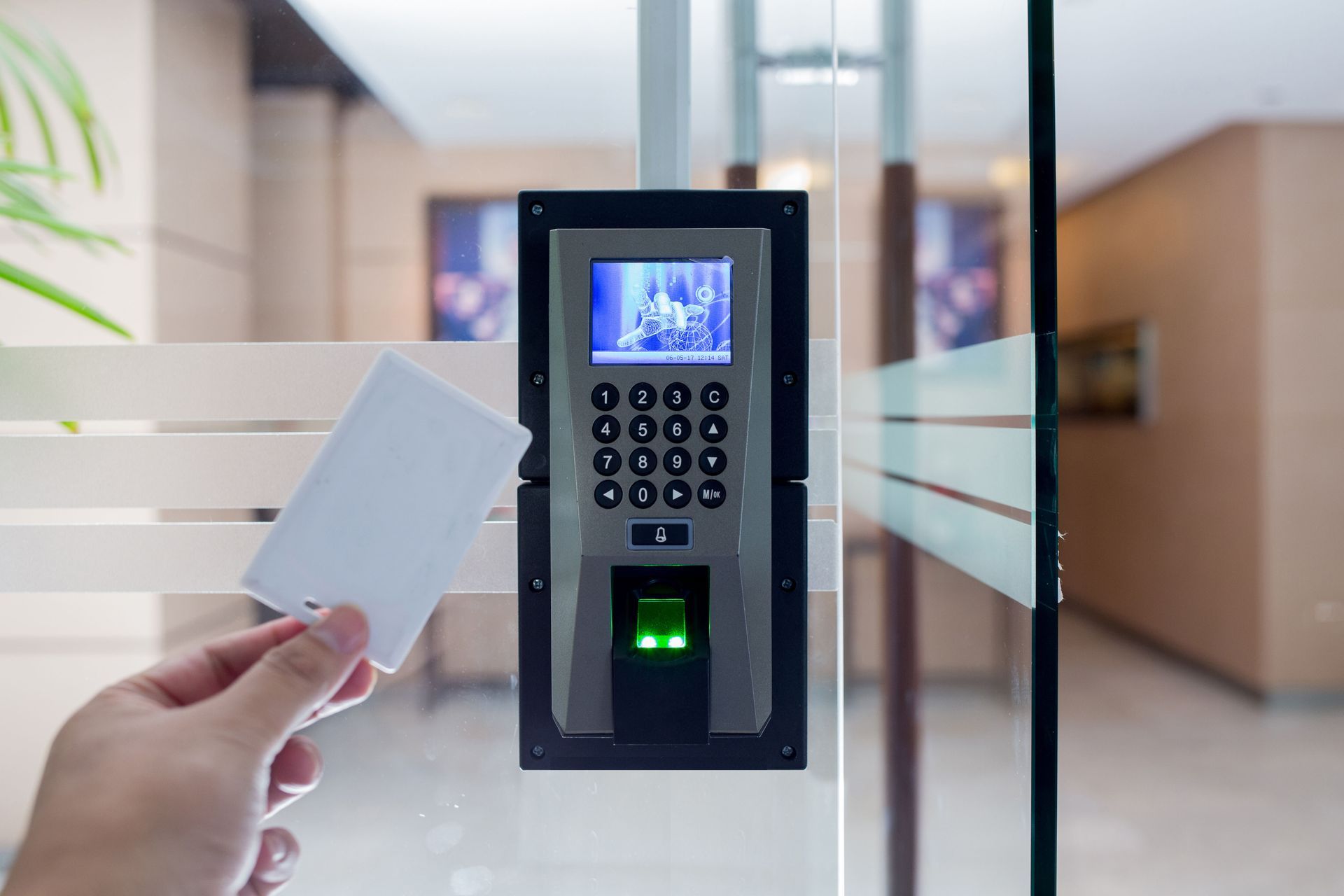
Access control gives organizations a smarter way to manage entry points and protect people, property, records, equipment, and daily operations. Instead of relying only on traditional keys, businesses can use cards, fobs, keypads, mobile credentials, biometric readers, or integrated security systems to monitor and limit access. According to Markets and Markets, the global access control market is expected to grow from $10.62 billion in 2025 to $15.80 billion by 2030. That growth reflects how important controlled entry has become for businesses that want stronger protection and better oversight. In this article, we will look at seven costly risks access control helps prevent.
1. Prevents Unauthorized Building Entry
One of the most obvious risks businesses face is unauthorized entry. When doors are left unlocked, keys are copied, or access points are poorly monitored, people may be able to enter spaces where they do not belong. This can include former employees, unknown visitors, vendors without approval, or individuals looking for an opportunity to cause damage or steal property.
A controlled entry system helps reduce that risk by requiring approved credentials before someone can enter. Businesses can limit access to employees, assign different permissions by role, and update access rights when staffing changes occur. This gives managers more control than a standard lock and key system, especially in larger buildings with multiple doors, departments, or restricted areas.
Unauthorized entry can lead to expensive consequences. A single incident may result in stolen equipment, damaged property, safety concerns, or business disruptions. When companies know exactly who has access to each door, they are better prepared to protect their facility and respond quickly if something unusual happens.
2. Prevents Employee Theft and Internal Losses
Not every security concern comes from outside the building. Internal theft can be a serious issue for businesses of all sizes. Employees may have access to cash, inventory, tools, supplies, confidential files, or expensive equipment. Without controlled access, it can be difficult to know who entered a room, when they entered, or whether they had a valid reason to be there.
Access control can help businesses reduce internal losses by limiting entry to sensitive spaces. For example, a stockroom, server room, records office, medication storage area, or cash-handling room can be restricted to approved employees only. This limits unnecessary access and creates a record of activity if the system includes reporting features.
This type of visibility can also discourage theft. When employees know that entry is tracked, there is a stronger layer of accountability. If inventory goes missing or equipment is damaged, access records may help business owners review who entered the space during the relevant time period. That can save time, reduce uncertainty, and support a more organized response.
3. Prevents Security Issues From Lost Keys
Traditional keys create problems when they are lost, stolen, copied, or not returned. If an employee leaves the company and still has a key, the business may need to rekey locks throughout the building. If multiple doors use the same key, the cost and inconvenience can grow quickly. Rekeying can be expensive, and waiting too long can leave the property vulnerable.
Access control solves many of these issues by allowing businesses to deactivate credentials instead of replacing locks. If an employee loses a card or fob, that credential can be removed from the system and replaced. If someone leaves the company, their permissions can be turned off right away. This is much more efficient than trying to recover physical keys or wondering whether copies exist.
The cost of lost keys is not just about replacing hardware. It is also about the risk that someone could use that key to enter the building without permission. Electronic credentials make access easier to manage because permissions can be changed quickly. For businesses with frequent staffing changes, multiple locations, or many employees, this can be a major advantage.
4. Prevents Access to Restricted Work Areas
Many businesses have spaces that should not be open to everyone. These may include offices with private records, IT rooms, storage areas, labs, mechanical rooms, executive offices, warehouses, or rooms with hazardous materials. When these spaces are not properly protected, employees or visitors may accidentally or intentionally enter areas where they could create risk.
Access control allows businesses to assign permissions based on job duties. A front desk employee may need access to public entry doors and office areas, while a facilities manager may need access to mechanical rooms. A warehouse employee may need access to loading areas, while administrative staff may not. This helps keep people in the areas where they belong.
Restricted access also supports safety. If someone enters a room with chemicals, machinery, electrical equipment, or confidential materials without proper training, the business may face injuries, liability concerns, or regulatory issues. Limiting access helps protect both the company and the people inside the building.
5. Prevents Data and Privacy Breaches
Security is not limited to physical property. Many businesses store sensitive information on servers, computers, printed files, or internal systems. If unauthorized people can enter offices, file rooms, or server rooms, they may gain access to customer records, employee information, financial documents, intellectual property, or other confidential materials.
Access control helps protect private information by creating physical barriers around sensitive areas. A business may use controlled entry for records rooms, IT departments, executive offices, or spaces where confidential conversations take place. This can be especially important for industries such as healthcare, finance, legal services, education, and professional services.
A data or privacy breach can be expensive and damaging. Businesses may face legal costs, customer concerns, compliance problems, and reputational harm. While cybersecurity tools are important, physical entry management also plays a role in protecting information. If someone cannot enter the room where sensitive data is stored, the business has one more layer of protection.
6. Prevents Disruptions During Emergencies
Emergencies can become more difficult to manage when a business does not have a clear picture of who is inside the building or which doors are secure. Fires, break-ins, workplace incidents, severe weather events, and other emergencies require fast decisions. Poor access management can slow response times and create confusion.
Modern access systems can support emergency planning by giving businesses better control over entry points. Some systems can lock down certain doors, release locks during fire alarms, or provide activity records that may help identify recent movement through the building. When paired with cameras, alarms, or visitor management tools, access control can become part of a broader safety plan.
Emergency readiness is not only about reacting to a crisis. It is also about reducing the chance that a crisis begins in the first place. Controlled entry can limit access to high-risk areas, protect employees after hours, and reduce the likelihood that an unauthorized person enters the facility unnoticed. That can help businesses maintain safer daily operations.
If your organization is ready to improve building security and protect what matters most, contact Accolade Access Control today to discuss an access control system that fits your property, operations, and long-term goals.